How to Use Organic Fertilizers in Your Canadian Garden

Using organic fertilizers promotes healthy, sustainable gardens while nourishing soil naturally. From compost to plant-based amendments, seniors can improve soil fertility, encourage strong growth, and support beneficial insects with simple, safe techniques.

Organic fertilizers for Canadian gardens

What Are Organic Fertilizers?

Organic fertilizers come from natural sources—plant, animal, or mineral. They release nutrients gradually, improving soil structure and feeding beneficial soil microbes along the way.

Benefits of Organic Fertilizers

  • Improve long-term soil structure and health
  • Feed beneficial soil microbes
  • Lower risk of nutrient burn compared to synthetic fertilizers
  • Often re-purpose byproducts from other industries, reducing waste

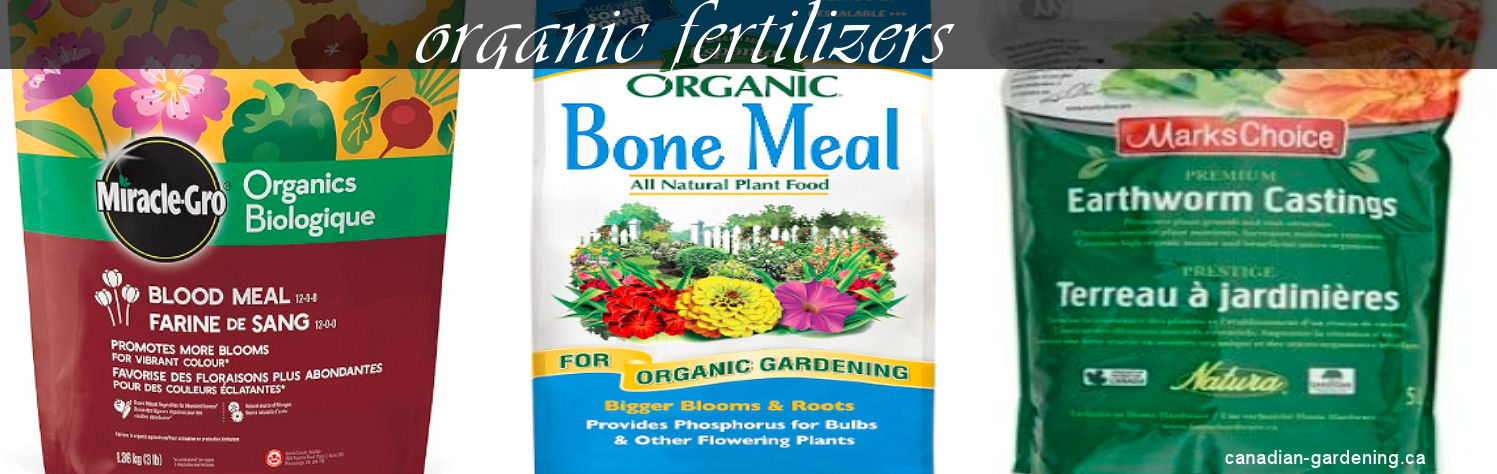
Common Organic Fertilizers and Their NPK Values

NPK stands for Nitrogen (N), Phosphorus (P), and Potassium (K)—the three main nutrients plants need.

Fertilizer Typical NPK Best Use
Bone Meal 3–15–0 Boosts root growth and flowering (high in phosphorus)
Blood Meal 12–0–0 Quick nitrogen boost for leafy greens
Worm Castings 1–0–0 Improves soil health, adds microbes, mild nutrient boost
Compost Varies (around 1–1–1) General soil amendment and slow-release fertility
Seaweed 1–0–1 General soil amendment, slow-release nutrition

Soil & Humus Notes

I don’t like commercial fertilizers. I feed my soil with homemade compost, and that’s good enough. Look at Mother Nature’s forest—no magical green fairy sprays anything. Healthy soil comes from organic matter and microbial activity.

Humus makes a big difference:

  • In sandy soil, it increases water retention.
  • In clay soil, it becomes friable and easy to dig.
  • Fork humus into heavy clay soil to improve drainage.

Fork or spade in humus in the fall to give microorganisms a chance to decompose the material before spring planting. You can also use compost as mulch in the fall.

Organic Fertilizer Recipes

Fertilizers cannot make up for poor soil. They are just enhancers and when you stop using them you still have poor soil. Feed the soil and let nature look after the plants. If you still want to apply fertilizers, here are some tried-and-true mixes:

Three major plant nutrients:
Nitrogen ( N ) - Phosphorus ( P ) - and Potassium ( K ) Different fertilizers contains different ratios of these basic nutrient elements.

2-3-2 Mix

  • 3 parts alfalfa hay
  • 1 part bone meal
  • 2 parts greensand

2-2-4 Mix

  • 1 part bloodmeal
  • 1 part bone meal
  • 5 parts seaweed
  • 3 parts granite dust

4-5-4 Mix

  • 2 parts bloodmeal
  • 1 part rock phosphate
  • 4 parts wood ashes

3-5-3 Mix

  • 2 parts cottonseed meal
  • 1 part colloidal phosphate
  • 2 parts granite dust

Low Nitrogen – High Phosphorus Mixes (for flowers)

0-5-4

  • 1 part rock phosphate
  • 3 parts greensand
  • 2 parts wood ashes

2-8-3

  • 1 part bloodmeal
  • 2 parts rock phosphate
  • 3 parts greensand
  • 2 parts seaweed

Compost or Manure Tea

Fill a burlap bag with well-seasoned compost or manure, tie it closed, and steep in water for 1–7 days. Use as a liquid soil booster or foliar feed.

Applying Fertilizers

  • Add compost directly into planting holes.
  • Apply compost tea to stressed or yellowing plants.
  • Stop fertilizing by the end of August to avoid frost-damaged new growth.
  • Combine different organic sources for balanced nutrition.

Explore Related Pages